
 5 Reasons Why Fishing in Cape Charles Va in January Can Be Eventful
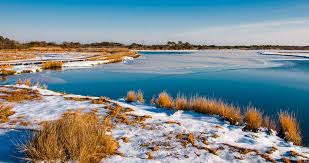
Cape Charles, Virginia — Winter on the Chesapeake Bay
January might look quiet on land, but below the surface the Chesapeake Bay is full of winter activity. Cold water changes fish behavior, concentrating them in deeper channels, near warm-water pockets, and around structure — which can actually increase your chances of encountering big, hard-fighting species, especially striped bass.
Here’s why fishing in January around Cape Charles can surprise you:
1. Larger fish school together in winter
Cold water pushes species like striped bass into tight groups along deep channel edges. When you find a school, action can be fast, intense, and rewarding.
2. The biggest striped bass of the year show up
Winter is famous for “trophy rockfish” — some of the heaviest bass caught near Cape Charles each year. Even if regulations limit harvest, catch-and-release action can be thrilling.
3. Less boat traffic = calmer, more productive water
With fewer anglers on the water, fish are less pressured, more responsive to bait, and easier to pattern.
4. Cleaner, colder water boosts clarity
Improved winter water clarity helps with jigging, sighting bait clouds on sonar, and targeting structure.
5. The winter bite is slower but more strategic
If you enjoy technical, patient fishing — reading the bottom, tracking depth, timing tides — January is a surprisingly rewarding month.
🐟 What Can You Catch in January in Cape Charles, VA
Even though species variety is smaller in winter, the quality of the catch can be exceptional.
1. Striped Bass (Rockfish) The star of January
Found in deep channels, near the Chesapeake Bay Bridge-Tunnel, or around shoals.
Often large, hard-fighting, and tightly schooled.
Best caught by trolling umbrella rigs, vertical jigging, or using live eels.
2. Tautog (Blackfish)
A strong winter bottom species.
Found near wrecks, reefs, rock piles, and deeper structure.
Excellent table fare, known for firm, white fillets.
Best caught with crab, clam, or cut bait on bottom rigs.
3. Sheepshead (occasionally)
Less consistent but sometimes caught near structure in the lower bay even during colder months.
Another structure-oriented bottom fish.
4. Puppy Drum / Red Drum (limited winter action)
Not as active as spring or fall, but warmer spells may bring small reds into deeper pockets.
5. Cold-water Panfish & Mixed Bites (in creeks/inlets)
White perch or small croaker sometimes show up in deep holes during warm breaks.
Where Can I Hunt For Oysters In January (Legally) In Cape Charles VA
(Note: Availability depends on VDH water-quality status and VMRC seasonal openings. Always check maps before you go.)
1. Seaside Eastern Shore Public Hand-Harvest Areas
Distance from Cape Charles: 20–40 minutes
This stretch runs along the ocean side of the Eastern Shore and includes multiple designated public oyster grounds. In most years, VMRC lists Seaside ES as open to recreational hand harvest during winter seasons.
Why it’s great:
Cold, clean Atlantic-flow water produces classic salty Eastern Shore oysters
Easy access from towns like Oyster, Willis Wharf, and Wachapreague
Ample stretches of shallow water accessible at low tide
Ideal for hand picking at extreme low tides (with proper gear)
2. Public Baylor Grounds North of Cape Charles (Check Status First)
Distance: 10–25 minutes
The historic Baylor Grounds are public oyster beds established to protect natural oyster habitat. Several of these lie north of Cape Charles toward Plantation Creek, Magothy Bay, and Nassawadox areas.
Pros:
Close to Cape Charles
Traditionally productive oyster habitat
Quiet, scenic inlets perfect for kayak or small-boat harvesting
Great option if staying in Cape Charles and wanting a short local trip
Important:
Many Baylor Grounds near Cape Charles are adjacent to VDH-regulated areas, so they may be open, restricted, or temporarily closed depending on conditions. Always verify on the VDH Shellfish Condemnation Map.
3. Willis Wharf & Wachapreague Public Grounds
Distance: 40–55 minutes
These Eastern Shore seaside communities are local favorites for recreational oyster hunters.
Why they’re popular:
Known, reliable public oyster bottom
Easy launch sites
Abundant shallow areas for wading and tonging
Local watermen still work these waters, proving productivity
These areas are excellent for winter oyster hunting, especially during very low tides.
4. Quinby & Upshur Neck Public Waters
Distance: 50–70 minutes
Farther north on the seaside, these remote areas hold wide expanses of public shellfish grounds. They’re less trafficked, making them ideal for peaceful oystering.
What to expect:
Larger tidal flats
Big clusters of oysters in natural “rakes”
Great combination of scenery, wildlife, and harvesting opportunity
Ideal for kayakers and boaters who like quiet backcountry water
🦪 Final Word: Cape Charles VA Is the Perfect Oyster Base Winter Getaway
While you won’t find open public oyster beds inside downtown Cape Charles itself, the town is perfectly positioned just minutes from:
Public Baylor Grounds
Seaside Eastern Shore hand-harvest zones
Oyster-rich creeks and flats north of town
With the right maps and a little planning, you can enjoy a safe, legal, unforgettable oyster-hunting adventure during your stay.
🌊 Winter Shellfishing in Cape Charles, VA: What You Can Catch in January (Besides Oysters)
When people think about Cape Charles, VA, they often picture summer oysters, warm-weather boating, and beach days. But winter on the Eastern Shore tells a different story. January brings crisp air, quiet coastlines, and surprisingly some of the best off-season shellfishing opportunities. If you’re visiting or staying in Cape Charles this winter and wondering “What shellfish can I catch besides oysters?” — this guide has you covered.
Whether you’re a recreational harvester, a seafood lover, or simply looking for unique things to do in Cape Charles in the winter, you’ll find that January shellfishing is alive and well.
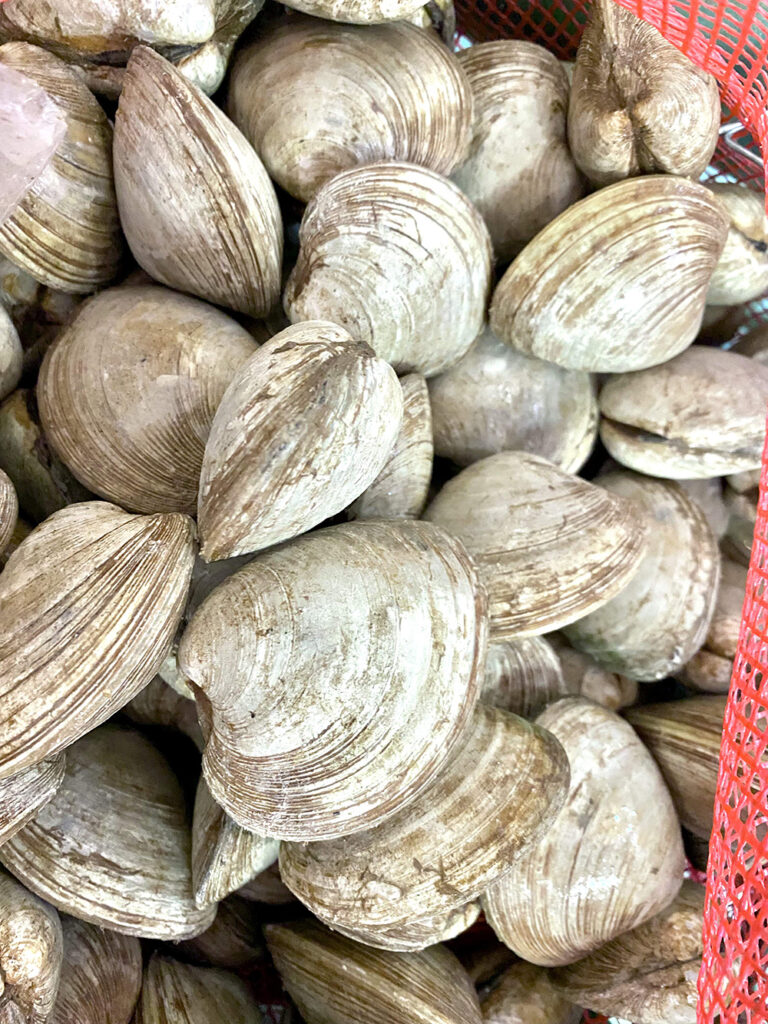
🐚 1. Hard Clams (Quahogs) — The #1 Winter Shellfish in Cape Charles
If there is one shellfish you can reliably pursue in January, it’s the hard clam (Mercenaria mercenaria) — known locally as littlenecks, cherrystones, or quahogs.
Why hard clams are great in winter
They live buried in sand and mud, so they’re available year-round
Cold water doesn’t affect their availability
Tidal flats, shallow sandbars, and calm coves around Cape Charles often hold healthy populations
Recreational clamming in approved waters is allowed using simple hand tools
Best areas to look near Cape Charles
(Always check VDH/VMRC maps before harvesting.)
Kiptopeke State Park shallows
Hog Island Bay region (accessible via boat)
The sand flats north of Cape Charles Harbor
Cherrystone Inlet areas (only in approved zones)
Hard clams are the most dependable winter shellfish — and one of the tastiest.
🐚 2. Mussels — A Cold-Water Winter Bonus
While not targeted as frequently as clams or oysters, blue mussels and other small bivalves can be found attached to hard surfaces such as:
Pier pilings
Rocks
Riprap
Dock legs
Bridge structures
Are mussels worth collecting in January?
Yes, if the water is open for harvest and clean. Mussels thrive in cooler water, and winter can produce some of the plumpest meat.
Mussels make a great addition to:
Steamed seafood pots
Pasta dishes
Winter chowders
Grilled mussel appetizers
If you enjoy foraging simple shellfish, mussels offer a quick win.
🐚 3. Razor Clams (Occasionally Found)
Razor clams do exist along parts of Virginia’s Eastern Shore, though they’re not as widespread as in northern mid-Atlantic states.
Where you might find them
Muddy flats
Peat-like marsh edges
Soft tidal zones around seaside Eastern Shore estuaries
Are razor clams common near Cape Charles?
Not extremely — but observant harvesters occasionally find pockets of them in:
Hog Island Bay
Metompkin/Shinecock regions
More remote seaside marsh networks
Razor clams are a bonus catch rather than a primary target, but winter low tides offer your best shot.
🐚 4. Soft-Shell Clams (In Select Areas)
Soft-shell clams (steamers) are less common on the lower Eastern Shore compared to New England or Maryland, but still exist in:
Silty tidal flats
Mud-based estuaries
Quiet back-bays with stable salinity
While not guaranteed, winter is a good time to explore approved areas because:
Human pressure is low
Soft-shell clams tend to stay snug in the mud when waters cool
Winter low tides reveal more substrate
If you enjoy variety, soft-shells add another target species to your Cape Charles winter forage list.
🦀 5. Blue Crabs? Not Really in January (But Here’s What to Know)
Technically, blue crabs are not considered shellfish under VMRC’s shellfish regulations. And in January, crabbing in Cape Charles is very limited because:
Winter dredging is closed
Crabs bury in the mud for warmth
Recreational catch rates are extremely low
If crabs are on your radar, winter in Cape Charles is not the season. Stick to clams and mussels.
🏡 Why Vacation Rentals like Sandy Paws Are Perfect for Winter Seafood Harvesting Trips

If you’re planning a shellfishing or seafood-foraging getaway, a rental like Sandy Paws offers all the comforts you need:
✔️ Full kitchen for preparing freshly harvested clams & mussels
You can steam, grill, or chowder your catch right at home.
✔️ Pet-friendly, bring your dogs on winter beach hikes
Cape Charles beaches and parks are quiet and open for off-season exploration.
✔️ Close to Kiptopeke, Eastern Shore Wildlife Refuge, Cape Charles Harbor & Cherrystone
These are some of the best winter shellfishing and bird-watching zones on the Eastern Shore.
✔️ Affordable winter pricing
January–March is the best time to enjoy premium rentals at discounted rates.
Whether you’re a couple, a family, or a solo outdoor explorer, Sandy Paws provides an ideal basecamp for winter seafood and nature lovers.
🥾 Bonus: Winter Hiking, Birdwatching & Nature Adventures
After you’ve filled your cooler with clams or mussels, you can enjoy some of Cape Charles’ best winter outdoor areas:
Kiptopeke State Park migratory bird hotspots, winter trails, and bayfront lookouts
Eastern Shore of Virginia National Wildlife Refuge eagles, owls, waterfowl, and quiet boardwalks
Savage Neck Dunes Preserve open dunes, forest trails, and untouched coastline
Cape Charles Natural Area salt marshes, creeks, and winter wildlife
Winter is one of the most peaceful seasons for exploring — no biting insects and fewer hikers.
🎣 Why Winter Seafood Harvesting Is So Special in Cape Charles
Cold water produces sweeter, firmer shellfish
You can harvest without crowds
Nature is louder, calmer, and more visible in winter
Sunsets are spectacular
It’s a unique experience you simply won’t get in summer
For anglers, foragers, and curious travelers, Cape Charles offers the perfect blend of quiet adventure and delicious rewards.
🌅 Plan Your Winter Seafood Getaway to Cape Charles VA
If you’re looking for a memorable winter escape that blends outdoor adventure, fresh seafood, coastal serenity, and unbeatable off-season pricing, Cape Charles is a gem worth discovering. And with pet-friendly, affordable vacation rentals like Sandy Paws, you can enjoy:
Shellfishing
Birdwatching
Winter hikes
Waterfront naps
Fresh-caught meals
Peaceful beaches
—all from the comfort of a warm, cozy home base.